How Sewage Systems Work
Sewage is often described as foul water because it contains wastewater from toilets, bathrooms, kitchens and utility areas. This differs from surface water, which usually comes from rainfall running off roofs, patios, driveways and external areas.
In most properties, sewage leaves the building through soil pipes and underground drains before joining the mains sewer. In rural locations or properties without a mains sewer connection, sewage may be stored or treated by a private system such as a septic tank or cesspit.
A sewage system depends on clear pipework, correct falls, suitable installation and reliable access points. When any part of the system becomes blocked, damaged or overloaded, sewage can stop flowing as it should. This can lead to slow drainage, unpleasant smells, overflowing gullies or wastewater returning into the property.
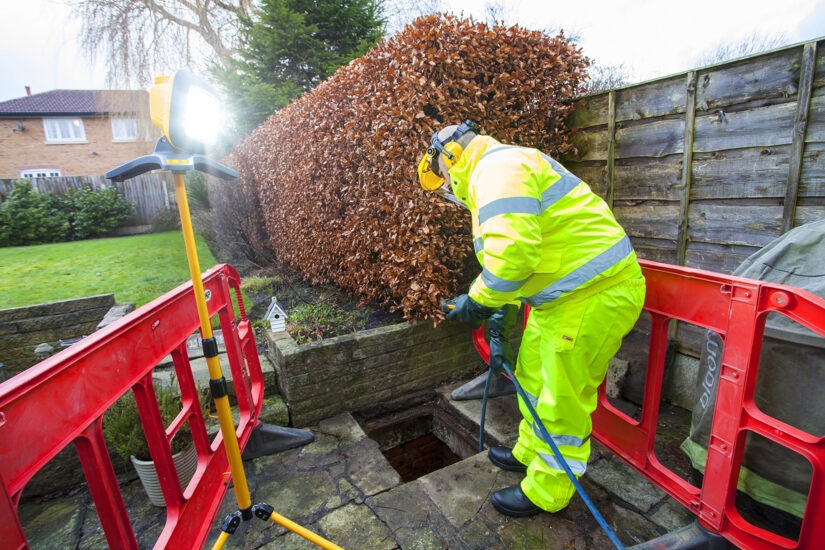
Our residential drainage services help homeowners, landlords and property managers deal with sewage problems safely and with minimal disruption. For businesses, we provide planned and reactive support for sites where blocked drains, wastewater issues and drainage faults can affect staff, customers, tenants and daily operations.