Click here to drop us a line
septic tank repairs

Septic Tank Survey


We help property owners get the very most out of their septic tank by carrying out annual health check services. It’s just like a vehicle MOT, it can identify problems early on and also help you evidence that you have looked after your tank responsibly and proactively.

Why get a septic tank inspection done?


If your septic tank is in need of an inspection, or think that you may have issues with your septic tank system, DASA have experienced engineers who can help. Septic tanks are underground wastewater treatment structures, which require regular maintenance to prevent blockages and backups that can lead to costly repairs. Inspections are critical to ensure that the septic system is functioning correctly and to identify any potential issues before they become costly problems.

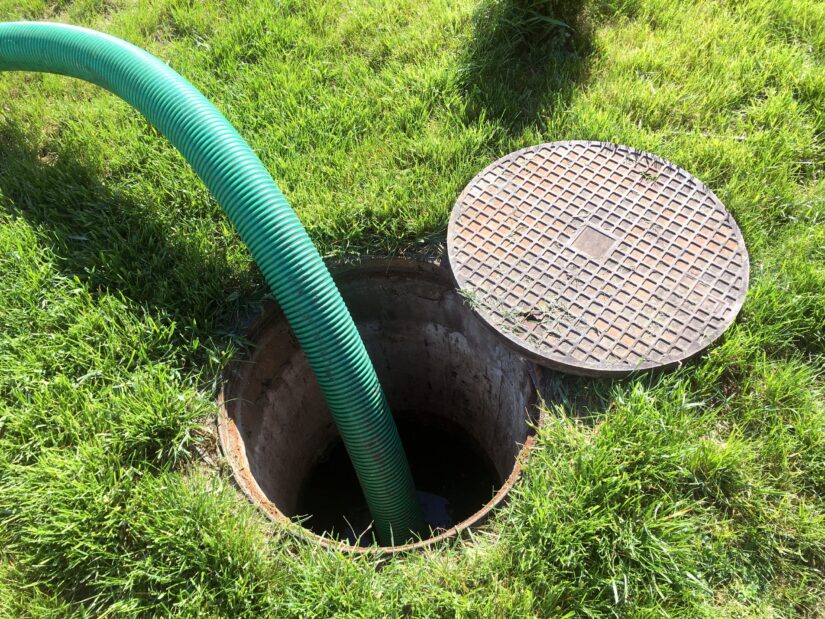
An inspection typically involves an expert engineer examining the tank and its components, to ensure that they are in good condition. One of the friendly DASA engineers will assess the tanks structural integrity, check for any leaks, and assess the overall condition of the tank. They will also check the drain field and look for any signs of effluent seeping to the surface or areas that are unusually wet.

DASA also provide the full suite of septic tank services to repair, replace, inspect or clean your septic tank:

What impacts a septic tank survey


How often your septic tank requires a survey depends on several factors, such as the size of the tank, the number of occupants in the home, and the age of the system. DASA recommends that septic tanks should be inspected at least once every three years. Homes with older septic systems, or a large number of occupants may require more frequent inspections.

During the inspection, the engineer may also recommend other services such as pumping or cleaning the tank, which can help prolong the life of the septic system. Regular pumping can help prevent solids from building up in the tank and clogging the drain field, which can lead to system failure in the long run.

Inspection services are essential for homeowners who rely on septic systems to treat and dispose of their wastewater. Inspections can help identify issues early on and prevent costly repairs or replacements. By using DASA for your regular inspections, you can be reassured that your septic system is functioning correctly, which can provide peace of mind and help avoid unexpected problems.

What happens during a survey?


A septic tank survey gives you a clearer understanding of the condition of the tank, connected pipework and drainage field. The checks carried out will vary according to the type, age and accessibility of the system.

During the visit, a DASA engineer may assess:

  • The tank walls, lid and access points for visible damage
  • Inlet and outlet pipes for blockages or poor flow
  • Baffles and internal components for wear or movement
  • Sludge and waste levels within the tank
  • Signs of cracks, leaks or groundwater entering the system
  • The condition of the surrounding ground
  • The drainage field for pooling water, odours or poor absorption
  • Any signs that wastewater is backing up towards the property

If further investigation is needed, our engineers can explain the available options and recommend suitable repairs, cleaning or replacement work.

FAQs

How often should I have my septic tank inspected?

We recommend having your septic tank professionally inspected at least once every three years. However, properties with older systems or higher occupancy may need more frequent checks to avoid potential issues.

What are the signs that my septic tank needs an inspection?

Common warning signs include slow drains, foul odors, wet or soggy areas around the drain field, backups, or gurgling sounds in plumbing. If you notice any of these, it’s best to schedule an inspection immediately.

What does a septic tank survey include?

Our inspections involve checking the structural integrity of the tank, looking for leaks or cracks, assessing sludge levels, examining the drain field, and identifying any visible signs of system failure. We’ll also advise on maintenance such as cleaning or repairs if needed.

How long does a septic tank inspection take?

The time required varies based on the size, condition and accessibility of the system. Our engineer will carry out a thorough assessment and explain any findings once the inspection is complete.

Do I need to empty my septic tank before an inspection?

Not usually. The waste and sludge levels can provide useful information about how the system is working. Our team will advise you beforehand if emptying is required for a particular inspection.

leak detection services

Contact one of our dedicated experts at DASA for a septic tank inspection today


No matter if your septic tank issue is an emergency situation or a routine check, DASA is here to help. Get in touch with one of our dedicated experts today who are always happy to help and advise the best solution for your problem. Contact us today on our contact form or give us a call on 0800 142 2783.

    • Site Investigations


      Our site investigation processes and technologies are supported by the same market-leading, live site reporting options as our drainage teams. This means that we are able to share image, video and audio files between field and review engineers in seconds, greatly reducing the traditional lag-time between attendance, decision and next steps.

    • Reporting


      DASA engineers attend a property within 24 hours, fully equipped to undertake a variety of non-invasive investigation techniques in the first instance. This might include electro-acoustic ground microphones, tracer gasses or thermal imaging cameras depending on the scenario presented on site.

    • Remedial Works


      DASA utilise numerous mains water replacement and repair technologies which enable us to isolate and repair targeted sections with the absolute minimum of above-ground disturbance. This includes, moling and pipe-pulling systems which eliminate the need for traditional trench excavations in many cases.